


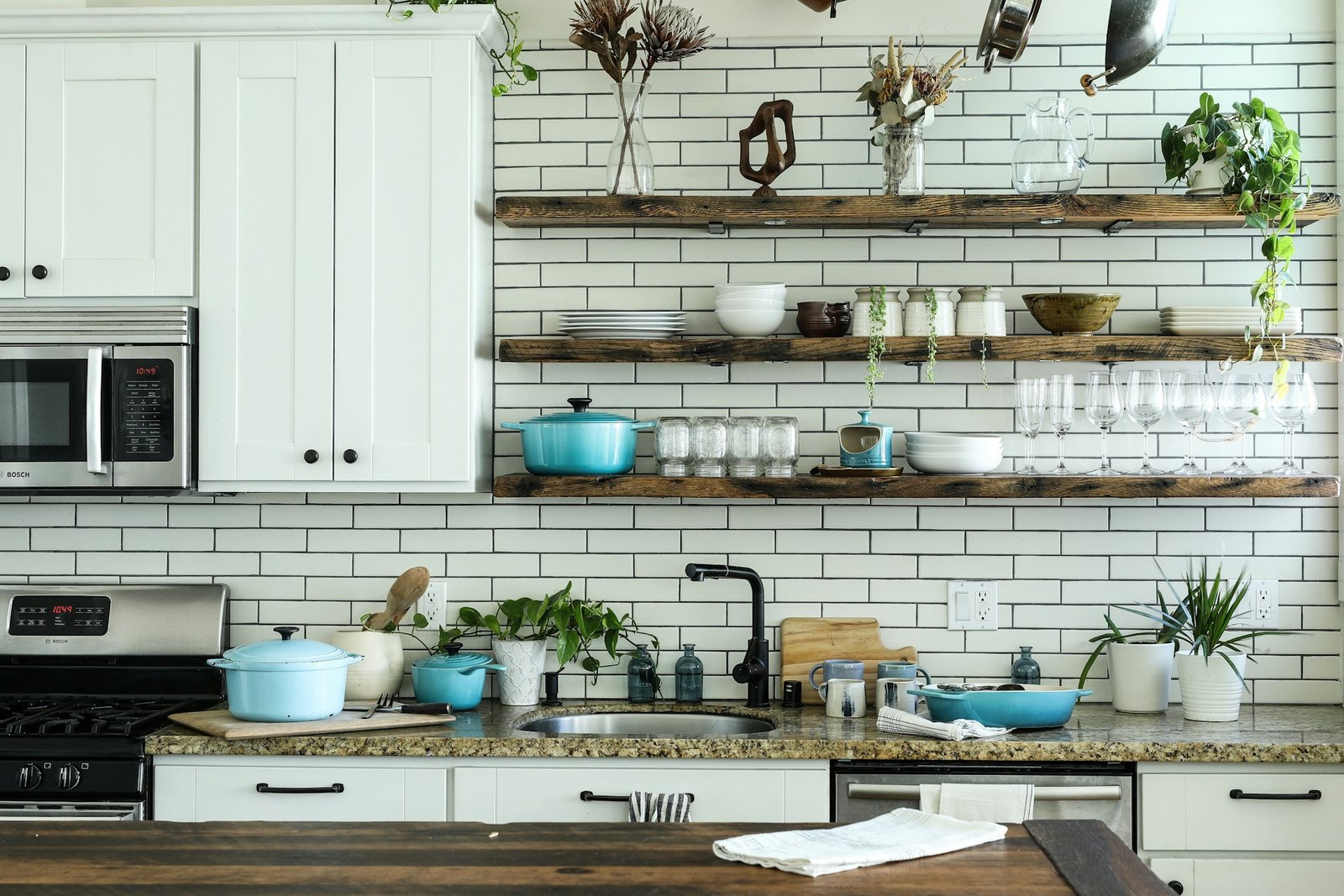
A kitchen renovation is an exciting yet complex process that requires careful planning and execution. Whether updating an outdated kitchen or designing a brand-new space, understanding the essential steps can ensure a smooth transformation. This guide will explore the key steps involved in a successful kitchen renovation.
Establishing Your Goals and Budget
Before beginning the renovation, define your objectives. Consider aspects such as:
- Improving functionality
- Increasing storage space
- Enhancing aesthetics
- Adding modern appliances
Setting a Realistic Budget
A well-planned budget prevents overspending. Factor in costs for materials, labor, appliances, and unexpected expenses. Research the average costs of kitchen renovations to set an appropriate financial plan.
Planning and Designing the Layout
A well-designed kitchen layout ensures efficiency and convenience. Consider the work triangle concept, which focuses on the placement of the sink, stove, and refrigerator. Common kitchen layouts include:
- L-Shaped Kitchen – Ideal for maximizing corner space
- U-Shaped Kitchen – Offers ample counter space and storage
- Galley Kitchen – Suitable for smaller spaces
- Island Kitchen – Perfect for open-concept layouts
Choosing High-Quality Materials
Selecting the right materials impacts durability and aesthetics. Key materials include:
- Countertops – Granite, quartz, or marble
- Cabinets – Wood, MDF, or laminate
- Flooring – Hardwood, tiles, or vinyl
- Backsplash – Ceramic, glass, or stone tiles
Hiring Professional Contractors
While some tasks can be DIY, hiring experts ensures quality results. Consider professionals such as:
- Architects or Designers – For layout planning
- Contractors – For construction and remodeling
- Electricians and Plumbers – For utility work
Obtaining Necessary Permits
Permits are often required for structural changes, electrical work, and plumbing modifications. Consult local authorities to ensure compliance with building codes.
Demolition and Preparing the Space
Before construction begins, remove old fixtures, cabinets, and appliances. Ensure safety by turning off utilities and protecting surrounding areas from debris.
Structural and Utility Upgrades
Enhance the kitchen’s efficiency by upgrading essential systems:
- Plumbing – Replace old pipes and fixtures
- Electrical Wiring – Install additional outlets and lighting
- Ventilation – Improve airflow with proper exhaust systems
Installing Cabinets and Countertops
Cabinets provide storage, while countertops enhance workspace functionality. Ensure proper measurements and alignment for a seamless finish.
Adding Appliances and Fixtures
Select energy-efficient appliances that match the kitchen design. Essential appliances include:
- Refrigerator
- Oven and stove
- Dishwasher
- Microwave
Finishing Touches: Lighting, Paint, and Decor
Enhance the aesthetics with:
- Lighting Fixtures – Pendant lights, recessed lighting
- Paint and Wall Treatments – Choose durable, easy-to-clean paints
- Decorative Elements – Personalize with accessories like plants and artwork
Final Inspection and Clean-Up
Conduct a thorough inspection to ensure everything meets quality standards. Clean the space and make necessary adjustments before use.
Conclusion
A successful kitchen renovation requires careful planning, quality materials, and professional expertise. Following these key steps ensures a beautiful and functional kitchen transformation. Whether upgrading a small space or designing a luxurious kitchen, these guidelines will help achieve a seamless renovation process.

